The energy transition in the Western Balkans is, in large part, a procurement and logistics problem. The technologies that decarbonise heat and power — heat pumps, solar PV, storage — are mature and specified daily. What decides whether a project actually gets built on time is whether the right, efficient equipment is available, compliant and supported. That is the distributor’s role in the transition: not to invent the technology, but to make sure a specified system can be sourced as a complete, certified package and delivered to a working programme.
Heat pumps replacing fossil heating
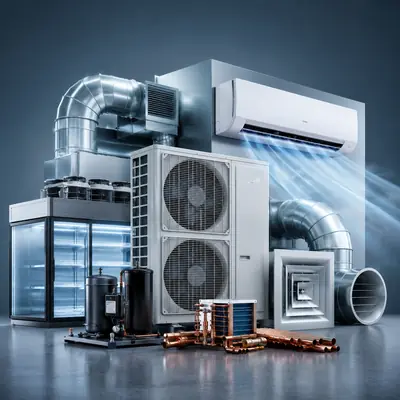
The clearest shift is the move from gas, oil and direct-electric heating to heat pumps. Air-to-water and ground-source systems now cover residential, commercial and light-industrial heat, delivering several units of heat per unit of electricity and pairing naturally with a decarbonising grid. For the installer, the constraint is rarely the concept and usually the supply: matched indoor and outdoor units, buffer vessels, controls and the refrigerant handling that goes with them, all available together. A heat pump ordered without its balance-of-system parts is a delayed job, so sourcing the complete assembly from one authorised chain is what keeps the installation on schedule.
Rooftop and commercial solar PV
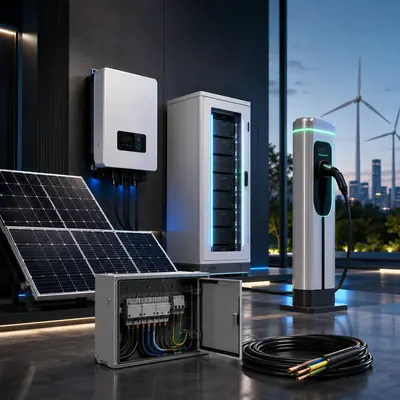
Commercial rooftops are among the fastest routes to lower operating cost and lower emissions, and interest across the region reflects it. A working PV package is more than panels: it is inverters, mounting systems, DC and AC protection, cabling and metering, specified to work as one system and certified for grid connection. Sourcing those parts from a single authorised supply chain avoids the mismatches that stall commissioning and simplifies the compliance paperwork the grid operator will ask for before energising the array.
Storage and EV-adjacent loads
Storage is what lets solar generation and flexible demand line up in time. Battery systems paired with PV shift daytime generation into evening use, firm up supply on weak grid connections, and support the growing electric-vehicle charging load that increasingly sits alongside commercial buildings. Specifying storage, PV and charging as a coordinated electrical scheme — rather than three separate purchases — is where a technical distributor adds real value.
Matching equipment to EU efficiency norms
Equipment supplied into these projects has to meet the efficiency and safety expectations the region is aligning to under EU norms — ecodesign and energy-labelling requirements, F-Gas rules on refrigerants, and the electrical safety standards behind grid connection. Authorised distribution matters here because it guarantees that the unit delivered is the certified, market-released model, with the documentation a compliant project needs.
Stock and technical support that keep projects moving
None of this helps if the equipment is weeks away or unsupported. Held stock across HVAC-R and energy categories, clear lead times on the items that carry them, and technical people who can size a heat pump or check a PV string are what turn a specification into a commissioned installation. The distributor’s job is to remove the supply-side friction so the engineering can proceed. In a region where the transition is accelerating faster than local supply chains have historically supported, that availability is often the deciding factor between a project that moves and one that waits.
Explore the range behind these projects on the Energy & Infrastructure sector page, and see the heating and cooling side on the HVAC-R sector page.